One of the biggest surprises after moving to Southwest Florida wasn’t the heat—it was discovering that I wasn’t the only one excited about my vegetable garden.
Apparently, every insect, rabbit, bird, and mysterious overnight visitor had the same idea.
If you’re new to gardening here, you quickly learn that Florida isn’t like growing vegetables up north. We don’t just garden with nature—we garden against it some days. The combination of heat, humidity, and nearly year-round growing season means pests never really take a season off.
The good news? You don’t have to reach for harsh chemicals to have a productive garden. We certainly don’t. While no organic method is perfect, we’ve found that prevention, observation, and a little patience go a long way.
Here are the pests we’ve battled the most in our personal garden—and what’s worked for us.
Aphids
If you’ve ever walked outside to find clusters of tiny green, black, or brown bugs covering new growth, you’ve probably met aphids. They love tender stems, peppers, tomatoes, melons, beans, and herbs.
The first sign usually isn’t the insects themselves. It’s curled leaves, sticky residue on the plant, or ants marching up and down the stems. (The ants are there because they feed on the sugary substance aphids produce.)
When we spot aphids, we usually blast them off with the garden hose first. If they return, a light application of insecticidal soap in the evening usually keeps them under control. We also avoid spraying when bees are actively foraging.
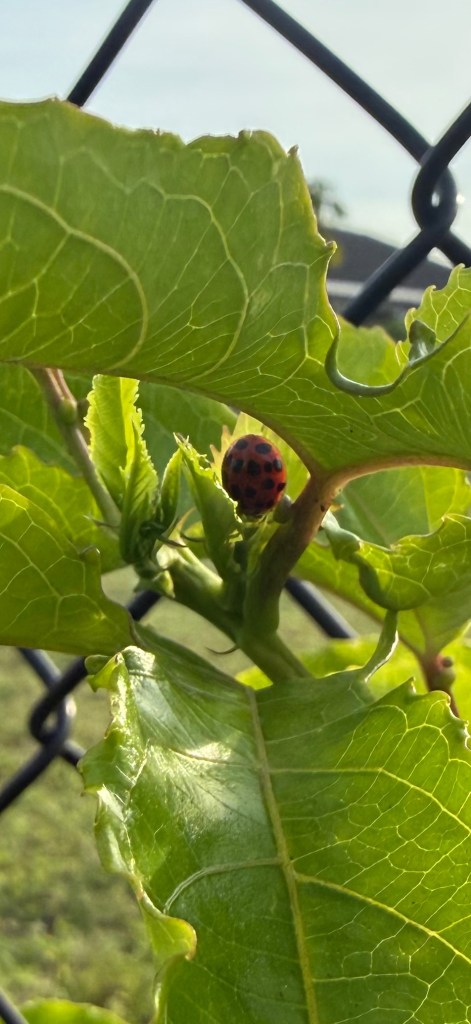
One of the best long-term solutions is encouraging beneficial insects like ladybugs and lacewings, which happily make a meal of aphids.
Hornworms
Nothing is more heartbreaking than waking up to a healthy tomato plant that’s suddenly missing half its leaves.
Tomato hornworms are masters of camouflage. They blend in almost perfectly with tomato plants, making them difficult to spot until the damage is already done.
The easiest method is still the oldest—hand-picking them. If you’re squeamish, wear gloves and drop them into a bucket of soapy water.
If you find a hornworm covered with tiny white cocoons, leave it exactly where it is. Those cocoons belong to beneficial parasitic wasps, which help control future hornworm populations.
Caterpillars
Not every caterpillar is a problem, but plenty of them enjoy cabbage, collards, kale, broccoli, and other leafy greens.
We’ve learned to inspect the undersides of leaves every few days. Catching eggs early is much easier than dealing with hungry caterpillars later. I currently have an infestation on my parsley plant of swallowtail butterfly caterpillars. I simply pulled them all off and dropped them into a dish of water and dish soap.
Floating row covers work well while plants are young, and Bacillus thuringiensis (Bt) can be useful when infestations become severe. Since Bt specifically targets caterpillars, we only use it when necessary and according to the label directions.
Whiteflies
Florida gardeners know whiteflies all too well.
Shake a tomato or pepper plant and suddenly it looks like a tiny white cloud takes flight. My poor cucumbers are battling these at the moment.
Whiteflies weaken plants by feeding on sap and can spread disease between plants.
Yellow sticky traps help monitor populations, but they’re more of an early warning system than a complete solution. We focus on keeping plants healthy, pruning overcrowded growth for better airflow, and using insecticidal soap when needed. Garden Insect Killer is helpful, but only as directed as it is toxic to bees and other pollinators.
Leaf-Footed Bugs and Stink Bugs
These insects seem to wait until tomatoes are almost ripe before they strike.
They leave hard spots, discoloration, and damaged fruit that often ends up in the compost pile instead of the kitchen.
The best defense we’ve found is checking plants daily. Hand-removing adults and egg clusters before populations explode makes a noticeable difference. Their eggs are a coppery color and cling to the underside of leaves and stems. Their nymphs can mimic assassin bug nymphs, so I always Google image search to be sure before I remove them.
Snails and Slugs
During Florida’s rainy season, snails and slugs seem to appear overnight. The snails may even cling to your house or fence.
They especially love young seedlings and tender leafy greens.
We water early in the morning instead of the evening so the soil surface has time to dry before nightfall. Hand-picking after dark (flashlight in hand) is surprisingly effective, even if it isn’t glamorous.
Rabbits
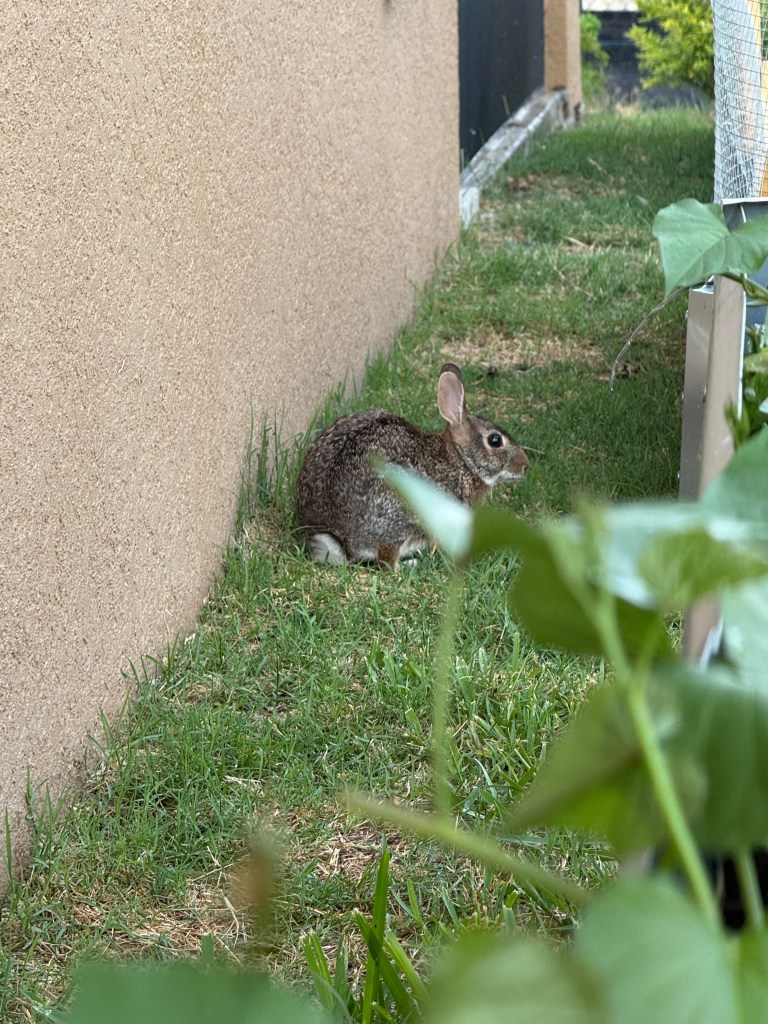
Technically, they’re not insects—but they can certainly be garden pests.
Our rabbits have sampled beans, greens, and young plants whenever they’ve had the chance.
Marigolds don’t seem to discourage them browsing around, they simply eat the flowers. Sturdy fencing is the most reliable solution. I find using cages on susceptible plants also works. We eventually learned that if a rabbit wants something badly enough, it’s going to get it.
Mosquitoes
While they don’t usually damage plants, they can certainly make gardening miserable.
We eliminate standing water whenever possible, plant citronella and lemon grass, keep grass trimmed, and encourage natural predators around the property. Working in the garden early in the morning often means fewer mosquito bites than heading out at dusk.
Mealybugs
Mealybugs are one of those pests that seem to appear out of nowhere. One day your plant looks perfectly healthy, and the next it’s covered in little white, cotton-like clusters tucked into leaf joints and along the stems. I’ve lost tomato plants ad herbs to these fuzzy little pests.
These tiny insects feed by sucking sap from plants, weakening them over time. You’ll often notice yellowing leaves, stunted growth, or a sticky substance called honeydew left behind, which can eventually lead to black sooty mold. Just like aphids, mealybugs and ants often go hand in hand because ants are attracted to the honeydew they produce.
When I find mealybugs, I try to catch them early. For just a few, I dip a cotton swab in rubbing alcohol and dab each insect directly. The alcohol dissolves their protective coating without harming the plant when used carefully. For larger infestations, insecticidal soap or neem oil can help, but several treatments are usually needed since eggs continue to hatch over time.
The biggest lesson they’ve taught me is to inspect my plants regularly. A quick walk through the garden every few days can turn a five-minute cleanup into avoiding a full-blown infestation.
Healthy Plants Handle Pests Better
One lesson we’ve learned is that stressed plants attract more problems.
Healthy soil, proper watering, good spacing, crop rotation, and planting during the correct season all help plants withstand pest pressure far better than struggling plants.
Here in Southwest Florida, timing is everything. Many vegetables that thrive elsewhere during summer actually perform much better during our cooler months.
Healthy Soil and Healthy Plants
The healthiest gardens start below ground. Compost, mulch, proper watering, crop rotation, and planting during the correct season all help plants grow stronger and better withstand pest pressure.
I’ve learned that a healthy plant can often survive a few bug bites, while a stressed plant quickly becomes a magnet for every pest in the neighborhood.
At the end of the day, organic gardening isn’t about eliminating every insect—it’s about creating a balanced ecosystem where pests stay manageable and beneficial insects can do much of the work for you.
Our Favorite Organic Pest Control Methods
No single product is a cure-all for garden pests. The best results usually come from combining several methods and treating problems early. Here are the organic solutions we keep on hand and when we use them.
Diatomaceous Earth (DE)
Made from fossilized algae, food-grade diatomaceous earth works by damaging the outer coating of crawling insects, causing them to dehydrate. It’s effective against pests like ants, slugs, earwigs, and some beetles.
Best used: Around the base of plants or on dry soil.
Keep in mind: DE only works when it’s dry, so it needs to be reapplied after rain or watering. Avoid applying it directly to flowers where pollinators may land. Be careful not to breathe it in!
Neem Oil
Pressed from the seeds of the neem tree, neem oil is one of the most versatile organic products available. It helps control aphids, whiteflies, mealybugs, spider mites, and some fungal diseases by disrupting insects’ feeding and life cycles.
Best used: Early in the morning or after sunset to reduce the risk of harming beneficial insects and to prevent leaf burn.
Keep in mind: Neem works best on young insects and requires repeated applications for heavy infestations.
Insecticidal Soap
Insecticidal soaps kill soft-bodied insects like aphids, whiteflies, and mealybugs by breaking down their outer protective layer. They work on contact, making thorough coverage important.
Best used: On calm evenings when temperatures are cooler.
Keep in mind: The soap must touch the insect to be effective, and it doesn’t leave behind long-lasting protection.
Bacillus thuringiensis (Bt)
Often simply called Bt, this naturally occurring soil bacterium targets caterpillars without harming people, pets, or most beneficial insects when used correctly.
Best used: At the first sign of caterpillar damage on crops like cabbage, kale, broccoli, and collards.
Keep in mind: Bt only affects caterpillars that eat treated leaves, so it’s not useful against aphids, beetles, or other pests.
Hand-Picking
Sometimes the simplest method is still the best one. Tomato hornworms, stink bugs, caterpillars, and even snails can often be managed just by removing them by hand.
Best used: During your daily garden walk.
Keep in mind: Catching pests early prevents a few insects from turning into hundreds.
Companion Planting
Some flowers and herbs can help attract beneficial insects or confuse pests. We love planting marigolds, basil, dill, nasturtiums, and flowers that attract bees, ladybugs, lacewings, and parasitic wasps.
Best used: Throughout the garden—not just around vegetables.
Keep in mind: Companion planting isn’t magic, but it’s one more tool that helps create a healthier garden ecosystem. These plants also aren’t foolproof and can be eaten by other pests, rendering them useless.
Physical Barriers
Sometimes the easiest solution is simply keeping pests away from your plants. Garden netting, floating row covers, and fencing can protect vegetables from insects, birds, rabbits, and other hungry visitors.
Best used: Early in the growing season before pests become established.
Keep in mind: Covers should be removed from crops that require pollination once flowers begin to open.
You Don’t Have to Win Every Battle
One thing gardening has taught me is that perfection doesn’t exist.
There will always be a tomato with a bug bite, a pepper stolen by a rabbit, or a cabbage sacrificed to caterpillars. That’s part of growing food alongside nature.
The goal isn’t a perfectly untouched garden.
The goal is growing enough healthy food to share with your family while creating a space that’s alive with bees, butterflies, birds, and beneficial insects. Every season teaches something new, and every setback makes the next garden a little better.
After all, if the bugs want to eat your vegetables, at least you know you’ve grown something worth eating.
Links to items we use:
https://www.lowes.com/pd/Bonide-32-fl-oz-Natural-Garden-Insect-Killer/1000689082?user=shopping&feed=yes–0?store=2361&cm_mmc=shp–c–prd–lwn–ggl–PMAX_LWN_000_Priority_Item_Omni–1000689082–local–22862735718–&gclsrc=aw.ds&gad_source=1&gad_campaignid=23526969576&gbraid=0AAAAAD2B2W9KS8OCTP-oT8ryZoDa74OhA&gclid=CjwKCAjwx7LSBhB3EiwAjcodxA9qalRS6AWLVUGIAiGRmewwTwim3_LpjAl6jIJ3SB5XFF7NYnXVFBoCLlgQAvD_BwE Read more: Garden Pests in Southwest Florida (and How We Deal With Them Naturally) https://www.tractorsupply.com/tsc/product/harris-food-grade-diatomaceous-earth-105-lb-bag-de-fg105-1701908?store=571&crmid=8368871700&utm_source=google&utm_medium=pmax&utm_campaign=tsc0_elp_tsc_cat_search_sch_us_cvr&utm_content=sku_na&adtype=pla&campaignid=22258872705&device=c&product_channel=local&product_id=1701908&store_code=571&gad_source=1&gad_campaignid=22269376510&gbraid=0AAAAADnTm23Srsqmbb-waz8E38dhoxgbj&gclid=CjwKCAjwx7LSBhB3EiwAjcodxGXKMEIA4IqDlPqtr6l_DZxnylu0y3TueaFJ6mRYUDEpcPjOsEsFrxoC-LoQAvD_BwE https://www.homedepot.com/pep/Bonide-Captain-Jack-s-Insecticidal-Super-Soap-32-oz-Ready-to-Use-Spray-For-Organic-Gardening-and-Outdoor-Plants-6556/303876522?g_store=6975&source=shoppingads&locale=en-US&fp=ggl&pla_with_promotion&mtc=SHOPPING-BF-CDP-GGL-D28O-028_001_CHEMICALS-NA-NA-NA-PMAX-NA-NA-NA-NA-NBR-NA-NA-NA-PMAXONECLICK_JControl24&cm_mmc=SHOPPING-BF-CDP-GGL-D28O-028_001_CHEMICALS-NA-NA-NA-PMAX-NA-NA-NA-NA-NBR-NA-NA-NA-PMAXONECLICK_JControl24-20410431792–&gclsrc=aw.ds&gad_source=1&gad_campaignid=20288283055&gbraid=0AAAAADq61UeR_D7paFc3e2AMx788frFy4&gclid=CjwKCAjwx7LSBhB3EiwAjcodxBLPURk6fvcAG2hyRDfucQteAO4BuFBVAqyRwFqTm3t07GoQZ3B5vhoCpvsQAvD_BwE https://www.arbico-organics.com/category/beneficial-insects-predators-parasites?srsltid=AfmBOoot3d3cSRByvWQPF_29Q0tnZcas-upXSjIhNYSCAEmLTBFLO0z4 https://honeyandhenhomestead.shop


Leave a comment