Homesteading is one of the few things I truly feel I was born to do.
Raised in New England by my grandmother, some of my favorite childhood memories were made beside her in the kitchen and the garden. We grew everything from lilies and hydrangeas to herbs and more zucchini than two people could ever hope to eat. Because of New England’s short growing season, many of our vegetables were grown in containers and pots—and they thrived.
When I moved to Florida, I had the same thought most newcomers do: endless summer means endless gardening.
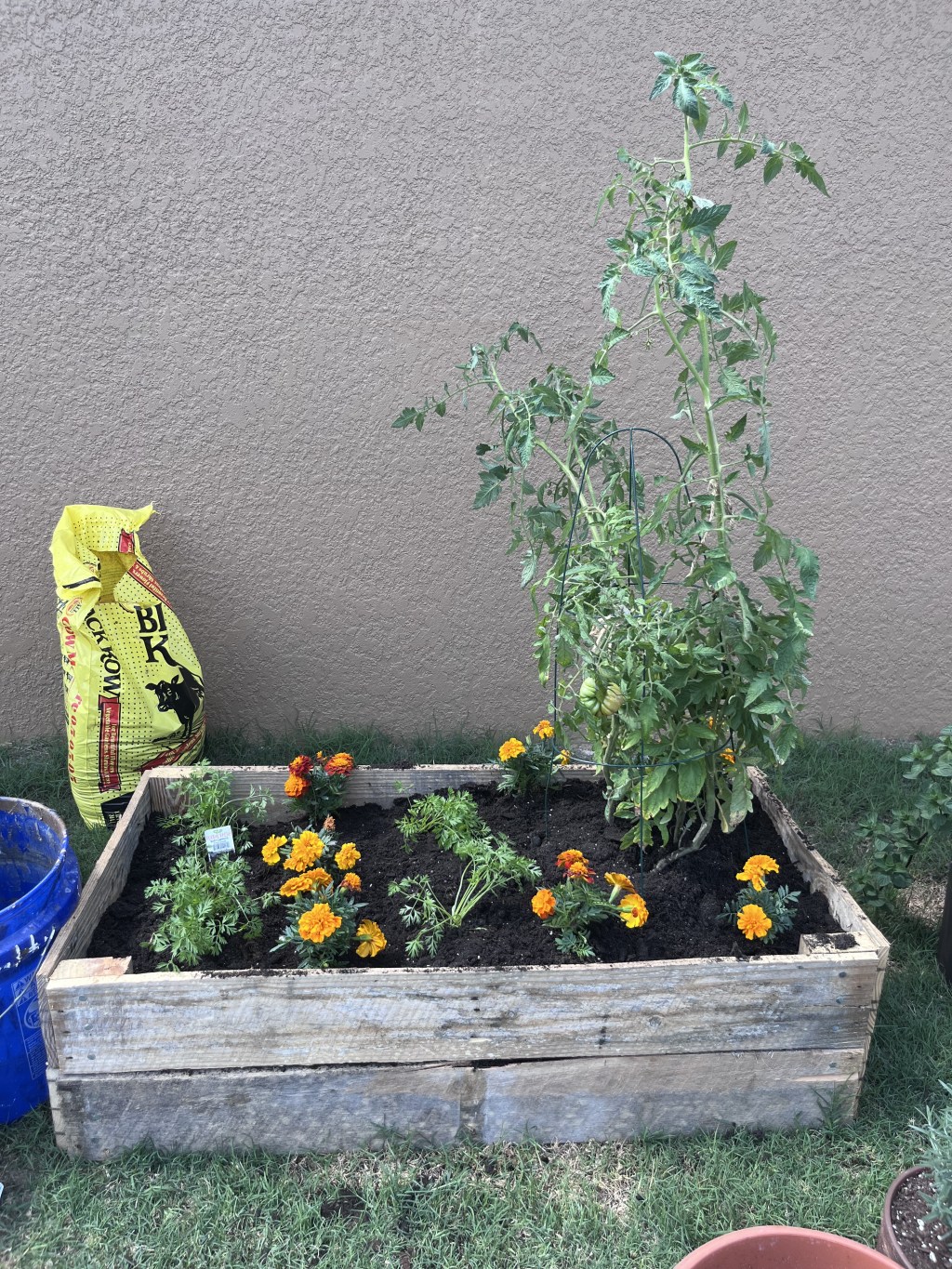
In November 2021, my husband and I built our first raised garden beds out of pallet wood. We planted beans, herbs, beets (which my husband still refuses to eat), wildflowers, and tomatoes. By February, everything was lush and overgrown—but surprisingly unproductive. Between caring for two toddlers and another young child, the garden slowly fell to the bottom of our priority list. By June, the beds themselves were falling apart, so we tore them out and replaced them with a sandbox.
What I didn’t realize then was that Florida’s subtropical climate is incredibly hard on untreated wood. In less than a year, our homemade beds had begun to rot.
It wasn’t until 2024, after I discovered sourdough baking, that we decided to give gardening another try. That March, we built new wooden beds—this time with sturdy cages for support. I also planted mint, chives, basil, and blackberries in containers. The garden was bigger, better planned, and backed by a little more research.
We even planted marigolds to help discourage rabbits and other pests.
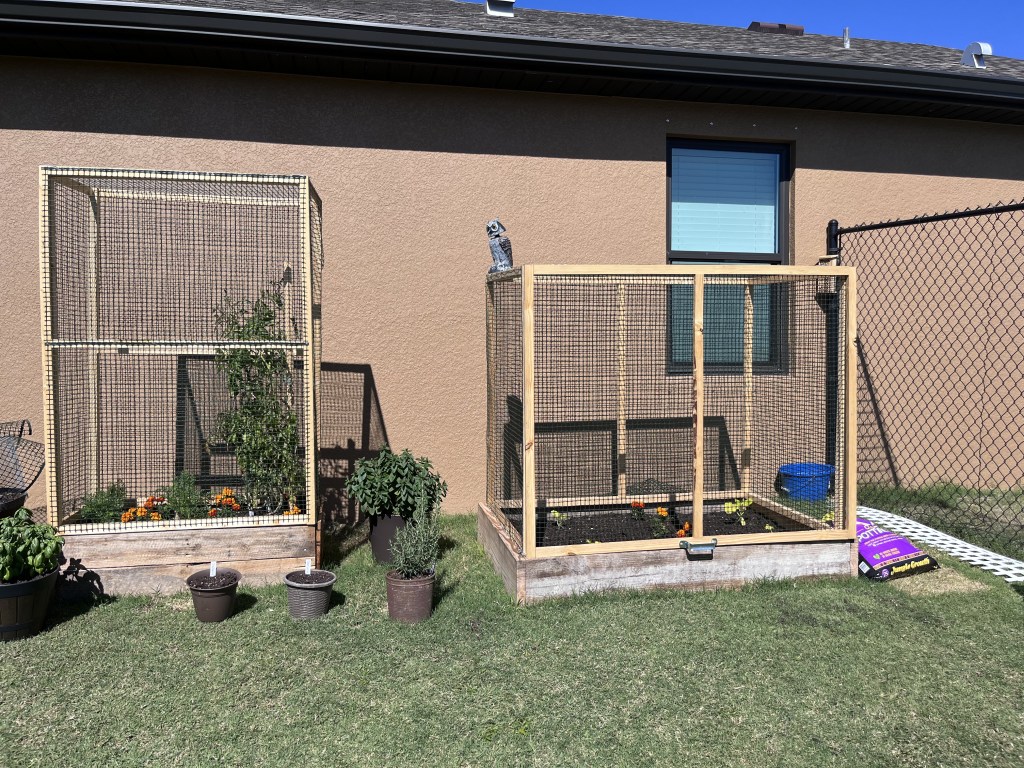
This time, everything flourished.
As the tomatoes poured in, I began making homemade spaghetti sauce and learned how to make pickles. Before long, learning to can became less of a hobby and more of a necessity—despite my tiny (okay, maybe not so tiny) fear of botulism.
Every day brought another harvest. Cherry tomatoes, Brandywine tomatoes, Roma tomatoes, pole beans, carrots, collard greens, and habanero peppers filled our baskets. We even managed to grow cantaloupes and watermelons.
Then, in October, Hurricane Milton arrived.
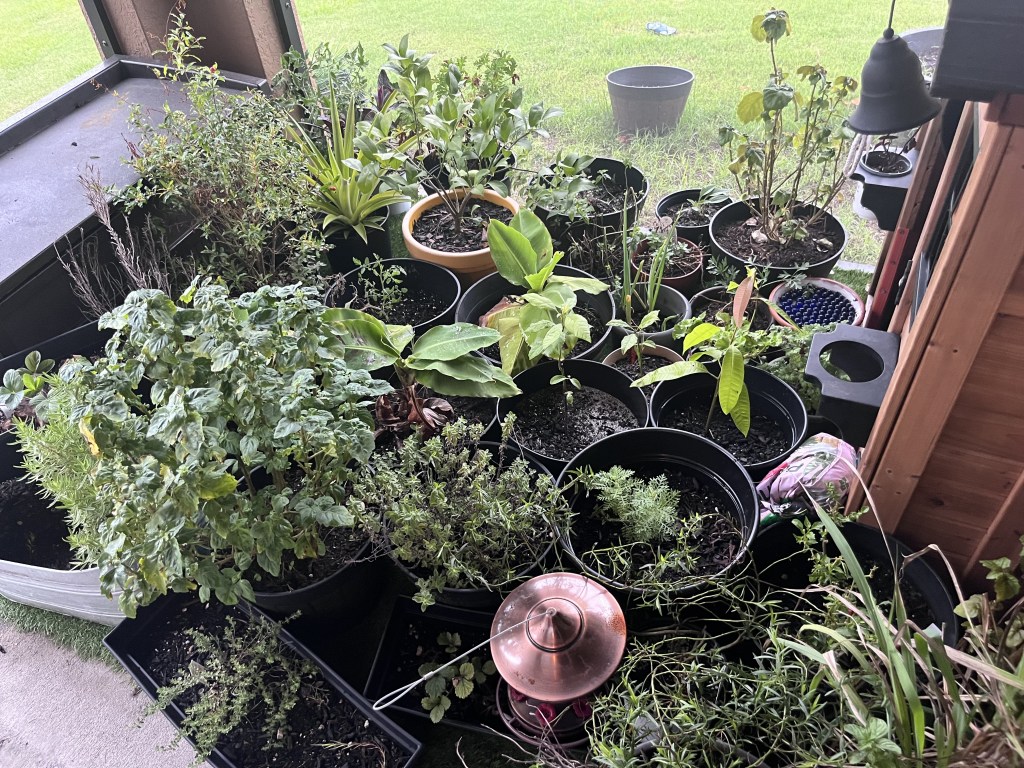
We moved every potted plant and garden supply we could indoors, leaving the rest to weather the storm. Thankfully, it wasn’t nearly as devastating for us as Hurricane Ian had been. We still lost several plants to flooding, many others suffered wind damage, and some of the wooden beds were destroyed. Once the cleanup was finished, we made a decision that would completely change our garden.
We removed most of the raised beds, leveled the yard as best we could, and planted our very first in-ground garden.
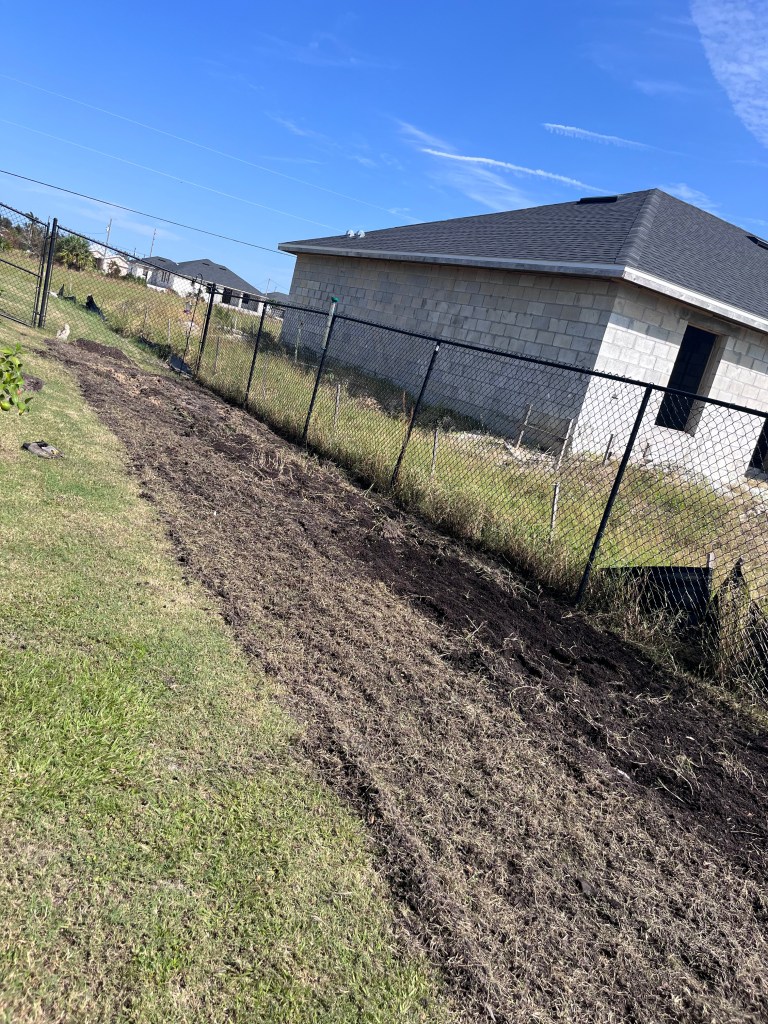
What I had once considered an impressive harvest suddenly seemed small compared to what our in-ground garden produced. With fresh vegetables coming straight from the backyard, I found myself making even more foods from scratch. Our family began eating healthier, exercising more, and making intentional choices to reduce the amount of toxic products we used in our home.
Looking back, it feels like gardening changed far more than just what was growing outside.
As I write this in July 2026, our garden is still going strong. We’ve redesigned it more than once, expanded it, downsized parts of it, and added raised metal beds along the way. We’ve also welcomed honey bees, chickens, and even a pet rabbit to our little homestead.
And somehow, basil still insists on growing wherever it pleases. Apparently planting it in a pot wasn’t enough to contain its ambitions.
One thing I’ve learned is that gardening in Florida isn’t what most people expect. Our best growing season is actually winter. Summers are simply too hot, too wet, and too buggy for many crops to thrive. I’ll be writing another post about gardening zones (yes, they absolutely matter), common pests, and the unique challenges that come with growing food in Florida.
No matter how many failed seasons, hurricanes, or unexpected setbacks come our way, I won’t give up. My dream of owning more land, raising more animals, and growing more of the food that feeds my family is bigger than any disappointing harvest.
So, I hope you’ll follow along as I share the victories, the mistakes, the lessons learned, and most importantly, the joy of building our homestead—one season at a time.


Leave a comment